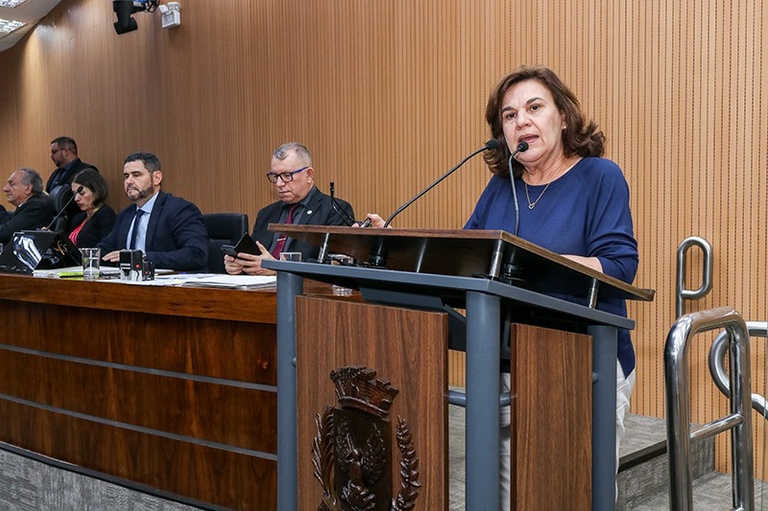




























Participants in a public hearing of the Brazilian Congress’s Communication Council said the country is making progress toward becoming a global leader in digital and media education. The debate took place on November 9.
David Almansa Bernardo, a director at the Presidency’s Secretariat for Social Communication, said the government created training initiatives after the law restricting cellphone use in schools. He highlighted nearly 90 courses on the Avamec platform, aimed primarily at teachers. According to Bernardo, the government also submitted a proposal to the Coordination for the Improvement of Higher Education Personnel (Capes) for a professional master’s degree in media education technologies, with 82 initial places at five universities.
Cristiane Parente de Sá Barreto, of the Brazilian Association of Researchers and Professionals in Educommunication, agreed that the country is a leader in the field, but pointed to challenges. She noted that 92% of schools are connected to the internet, while more than a thousand have no electricity.