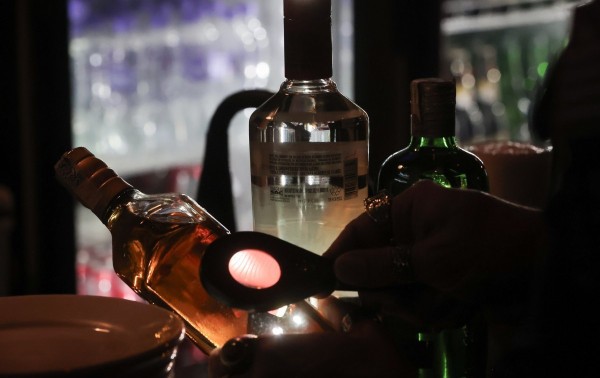
The Selective Tax, created by Brazil’s tax reform, could affect companies’ prices, contracts and profit margins. Known as the “sin tax,” it will apply to products and services considered harmful to health or the environment, such as cigarettes, alcoholic beverages, sugary drinks and vehicles.
A provisional measure published on November 4 established transitional rules for the tax in 2027, with collection scheduled to begin on February 2. The government’s proposal is to maintain the tax burden during the transition. Tax lawyer Bruno Medeiros Durão recommends that companies assess the effects on costs and review contractual clauses on prices and price adjustments.
The rules for 2027 are transitional. The government is expected to submit a proposal to the Brazilian Congress to set the rates from 2028 onward. The tax will be levied once, with no credits for the tax itself generated or used along the economic chain.